The year 2026 is shaping up to be a pivotal moment in space exploration, marked by a confluence of ambitious missions, increased international collaboration, and a growing element of competition between nations and private companies. From the launch of next-generation space telescopes to continued lunar exploration efforts, the next few years promise significant advancements in our understanding of the universe and our place within it.
Flagship Telescope Launch
A major highlight will be the launch of a new flagship space telescope. While the article doesn’t specify which telescope, it suggests this instrument will be a successor to current observatories like the James Webb Space Telescope, pushing the boundaries of astronomical observation even further. This telescope is expected to provide unprecedented insights into exoplanets, the early universe, and the formation of galaxies. The data gathered will likely fuel decades of scientific research and potentially revolutionize our understanding of cosmology.
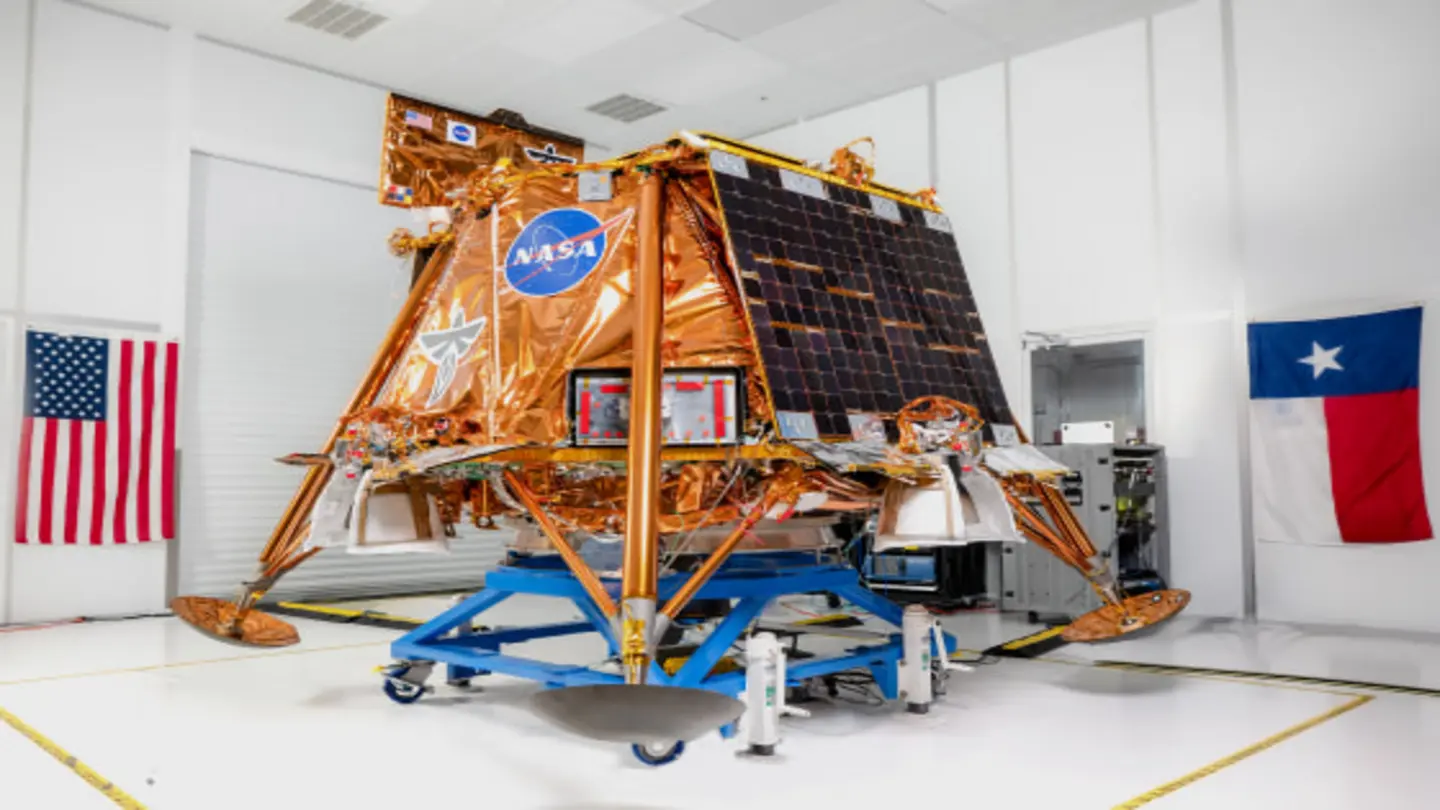
Lunar exploration will continue to be a central focus. Several nations and private entities have set their sights on establishing a sustained presence on the Moon, driven by scientific curiosity, resource potential, and strategic interests. The article points to ongoing missions aimed at mapping lunar resources, testing technologies for long-duration stays, and ultimately, building infrastructure for a lunar base. This includes efforts to extract water ice, which can be used for life support, propellant, and other essential needs.
The competition to reach the lunar south pole, believed to hold significant reserves of water ice, is particularly intense. Multiple missions are planned for this region, including those from NASA’s Artemis program, as well as independent initiatives from countries like China and India. The success of these missions will not only determine who gains access to valuable resources but also shape the future of lunar governance and international cooperation.
Beyond the Moon, missions to other destinations in the solar system are also gaining momentum. The article alludes to potential probes targeting asteroids, comets, and the icy moons of Jupiter and Saturn, all of which are considered promising locations for discovering evidence of past or present life. These missions will require innovative technologies and international partnerships to overcome the challenges of deep-space travel.
The increasing involvement of private companies in space exploration is another defining trend. Companies like SpaceX, Blue Origin, and others are developing their own launch vehicles, spacecraft, and even space stations, challenging the traditional dominance of government agencies. This commercialization of space is driving down costs, accelerating innovation, and opening up new opportunities for space-based businesses.
However, the growing number of actors in space also raises concerns about potential conflicts and the need for clear regulations. The article emphasizes the importance of international cooperation in ensuring the sustainable and peaceful use of outer space. This includes establishing norms of behavior for space operations, protecting critical infrastructure, and addressing the challenges of space debris. The year 2026 will be a crucial test of our ability to navigate this complex landscape and harness the full potential of space for the benefit of all humankind.
Image Source: Google | Image Credit: Respective Owner