As we look ahead to 2025, the scientific community anticipates a year brimming with potential breakthroughs and discoveries. Experts across various fields are offering their predictions, ranging from advancements in space exploration to revolutionary developments in healthcare and environmental science. These forecasts, compiled from leading researchers and institutions, paint a picture of a future shaped by innovation and a deeper understanding of the universe and ourselves.
Space Exploration
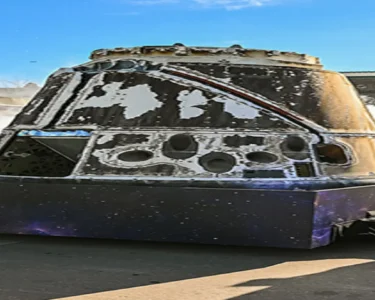
The coming year is expected to be pivotal for space exploration. NASA’s Artemis program is slated to continue its ambitious journey to return humans to the Moon, with potential for establishing a sustainable lunar base. Simultaneously, private companies like SpaceX are pushing the boundaries of space travel, with plans for further Starship tests and potentially even early missions to Mars. Beyond our immediate cosmic neighborhood, the James Webb Space Telescope will continue delivering unprecedented images and data, potentially revealing clues about the formation of the earliest galaxies and the existence of exoplanets with habitable conditions. A key focus will be analyzing the atmospheres of these distant worlds for biosignatures – indicators of life.
Furthermore, 2025 may see increased international collaboration in space, with joint missions between the US, Europe, Japan, and other nations. This collaborative spirit is crucial for tackling the immense challenges and costs associated with deep-space exploration. The search for near-Earth objects (NEOs) that could pose a threat to our planet will also intensify, with new telescopes and tracking systems coming online.
Healthcare Innovations
The healthcare sector is poised for significant advancements in 2025. Gene editing technologies, like CRISPR, are expected to move closer to clinical applications, offering potential cures for genetic diseases. Personalized medicine, tailored to an individual’s genetic makeup and lifestyle, will become more prevalent, leading to more effective treatments and preventative care. Artificial intelligence (AI) will play an increasingly important role in diagnostics, drug discovery, and patient monitoring.
Researchers are also making strides in the fight against cancer, with new immunotherapies and targeted therapies showing promising results. The development of new vaccines, including those for emerging infectious diseases, will remain a top priority. Beyond treatment, there’s a growing emphasis on preventative healthcare, utilizing wearable technology and data analytics to promote healthier lifestyles and detect potential health problems early on. Expect further exploration of the microbiome’s impact on overall health and the development of therapies to modulate it.
Environmental Science & Sustainability
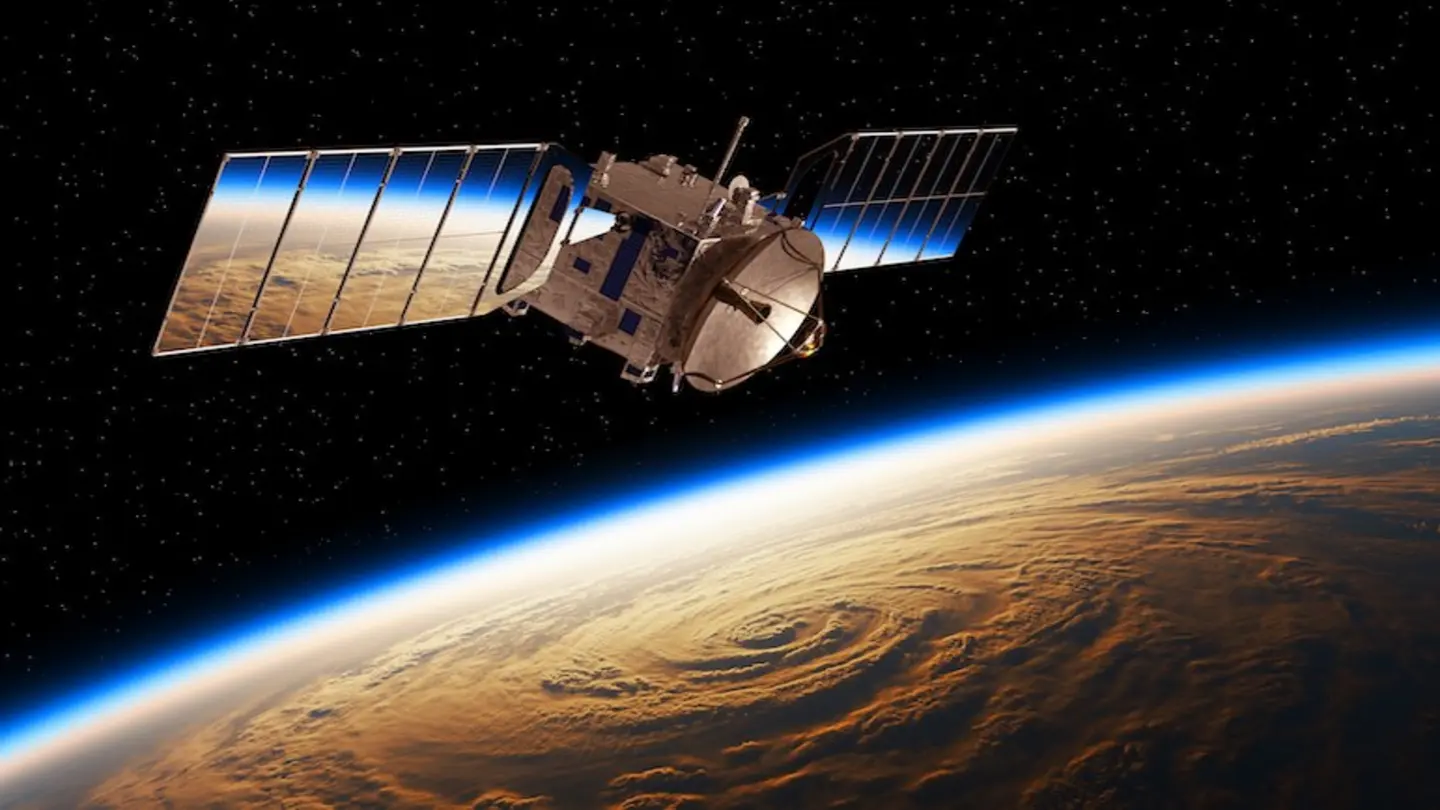
Addressing climate change and promoting sustainability will continue to drive scientific research in 2025. Advancements in renewable energy technologies, such as solar, wind, and geothermal, are expected to make these sources more efficient and affordable. Carbon capture and storage technologies will also be under intense scrutiny, as scientists seek ways to remove greenhouse gases from the atmosphere. Monitoring deforestation and biodiversity loss using satellite imagery and AI will provide crucial data for conservation efforts.
The development of sustainable materials and circular economy models will gain momentum, reducing our reliance on finite resources. Research into climate modeling and prediction will become more sophisticated, helping us to better understand the complex interactions within the Earth’s climate system and prepare for future challenges. Ultimately, 2025 promises a year of scientific progress aimed at creating a healthier, more sustainable future for all.
Image Source: Google | Image Credit: Respective Owner