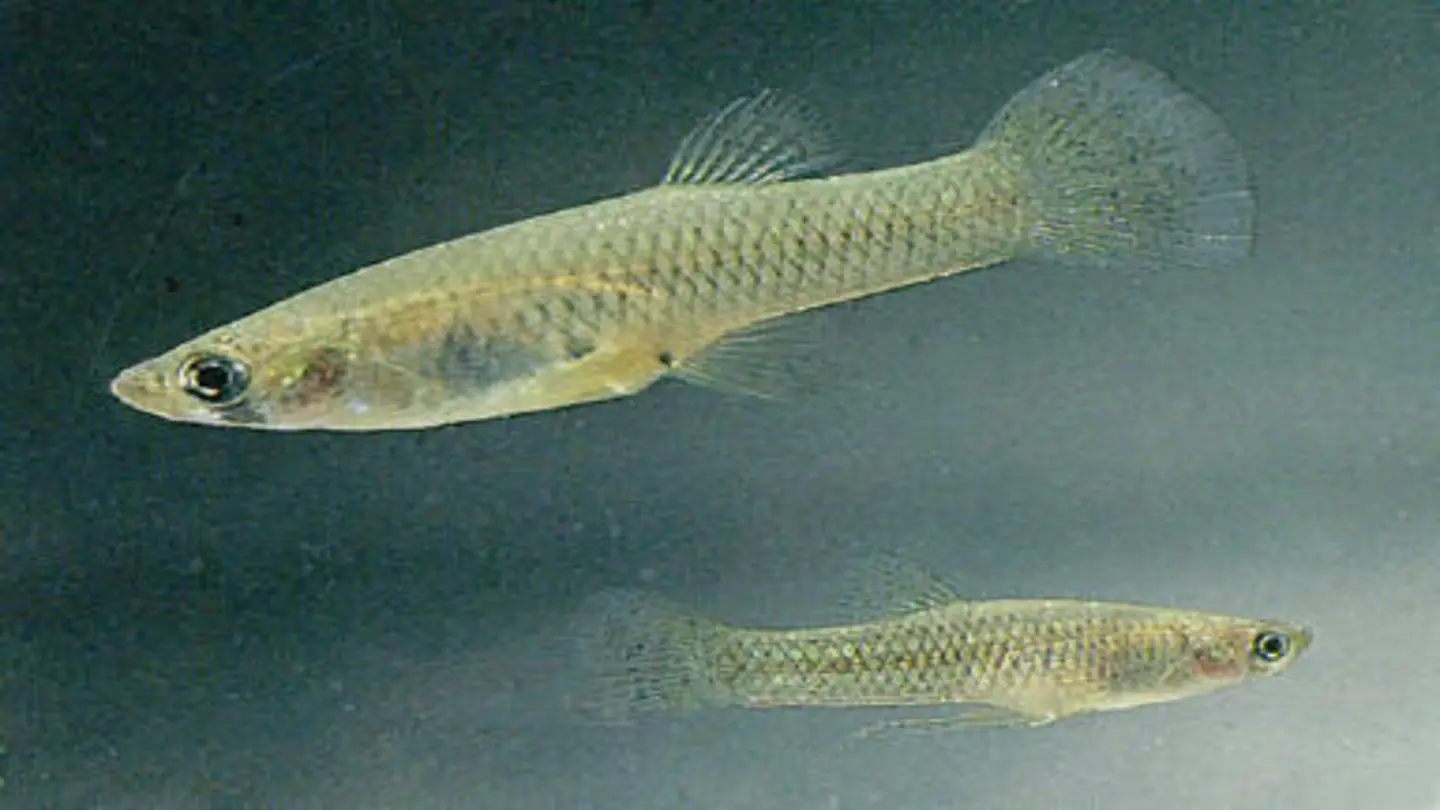
In December 1975, The Hindu reported on an innovative approach to malaria control: utilizing fish. The article, unearthed from the archives, details research into the effectiveness of certain fish species in consuming mosquito larvae, a crucial step in preventing the spread of the disease. This biological control method offered a potentially sustainable and environmentally friendly alternative to chemical insecticides, which were commonly used at the time but posed risks to ecosystems and human health.
The Malaria Problem in the 1970s
Malaria, a mosquito-borne disease caused by parasites, was a significant public health challenge in India and many other parts of the world during the 1970s. Conventional control methods primarily relied on the use of DDT and other insecticides. However, the emergence of insecticide-resistant mosquitoes and growing concerns about the environmental impact of these chemicals prompted researchers to explore alternative strategies. Biological control, using natural predators of mosquitoes, emerged as a promising avenue.
Fish as Mosquito Larvae Predators
The 1975 report highlighted the potential of several fish species to act as effective mosquito larvae predators. These fish, typically small and adaptable, thrive in various aquatic environments, including ponds, ditches, and rice paddies – the same locations where mosquitoes breed. By introducing these fish into these habitats, researchers aimed to reduce the mosquito population naturally.
The article likely detailed specific research findings on the feeding habits and effectiveness of particular fish species. It may have mentioned studies comparing the impact of fish-based control methods with that of insecticide spraying. Factors such as the density of fish needed for effective control, the compatibility of different fish species with local ecosystems, and the long-term sustainability of this approach would have been important considerations.
A Sustainable Solution?
The report’s significance lies in its exploration of a sustainable and environmentally conscious approach to disease control. Unlike chemical insecticides, which can have detrimental effects on non-target organisms and contribute to environmental pollution, biological control methods aim to harness natural ecological processes. While the use of fish to control mosquito populations may not be a complete solution to malaria, it offers a valuable tool that can be integrated into comprehensive disease management strategies. This archived article reminds us of the importance of innovative thinking and the enduring quest for environmentally sound solutions to public health challenges. The principles discussed in the 1975 article remain relevant today, as researchers continue to explore and refine biological control methods for mosquito-borne diseases, including malaria, dengue fever, and Zika virus.
This historical account underscores the ongoing need for integrated approaches that combine various control measures, including environmental management, larval control, and community participation, to effectively combat mosquito-borne diseases and safeguard public health. Further research and implementation efforts are crucial to realize the full potential of biological control methods and ensure their long-term sustainability.
Image Source: Google | Image Credit: Respective Owner