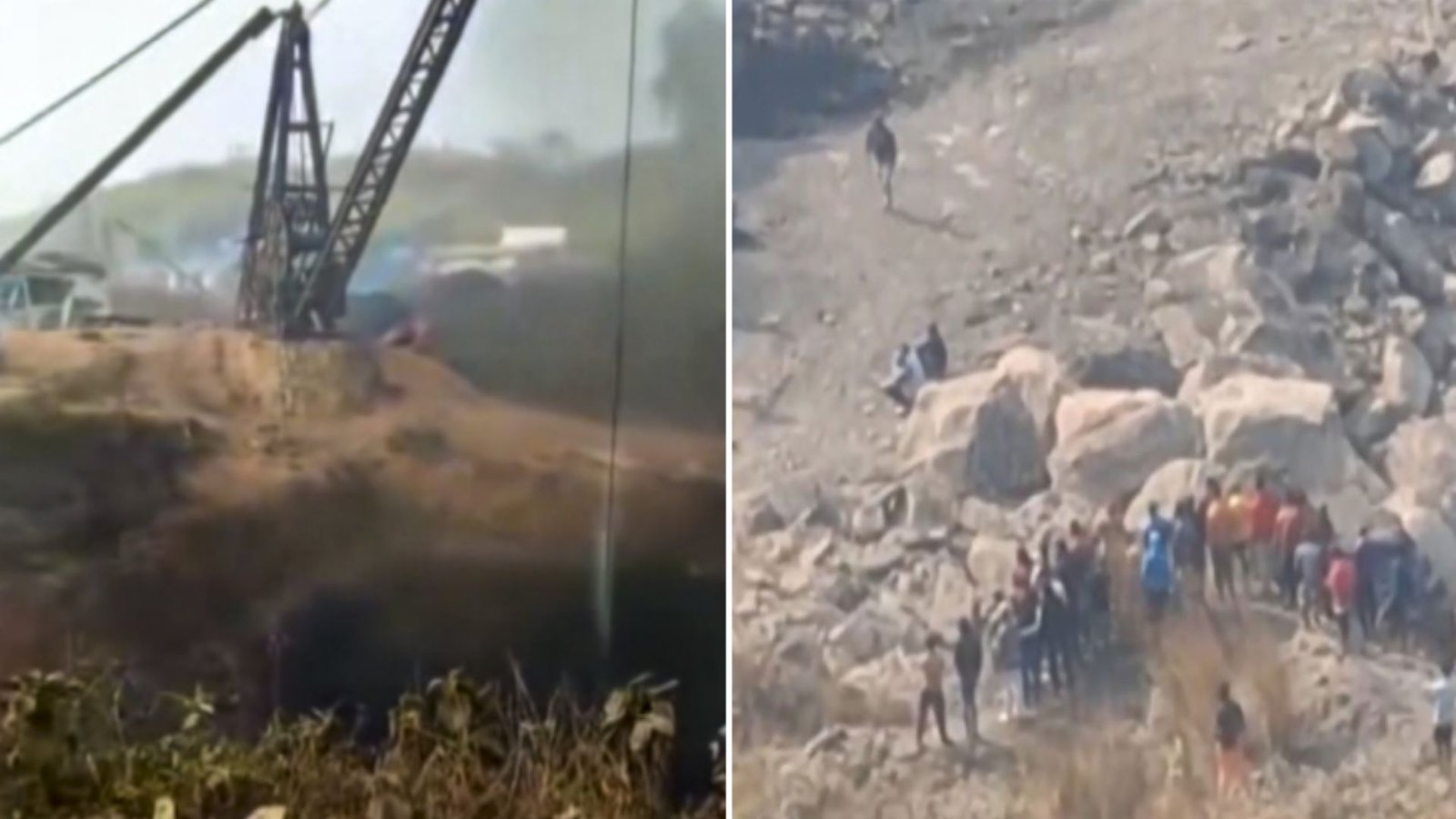
Deadly Explosion Rocks Remote Mining Region
The explosion at an unauthorized coal mine in Meghalaya has left at least 18 people dead and numerous others injured. The incident occurred in a secluded area known for illicit mining operations, highlighting persistent safety challenges in the region. Local authorities reported the blast took place on a site that lacked proper licensing or regulatory oversight, exacerbating the disaster’s scale.
Initial reports indicate the mine was being illegally operated in a forested area, where workers had dug deep shafts without adhering to safety protocols. The explosion reportedly triggered a chain reaction of collapsing tunnels, trapping several individuals underground before rescue efforts could begin. Among the victims were miners and local laborers, many of whom were from nearby villages.
Investigation into Illegal Mining Activities
Meghalaya, a state rich in coal deposits, has long struggled with rampant illegal mining. Officers from the state administration have launched a formal inquiry into the incident, focusing on whether negligence or deliberate flouting of safety norms contributed to the explosion. The region has seen frequent mining-related accidents in recent years, often linked to unregulated operations by private entities.
The illegal nature of the mine raises questions about enforcement mechanisms. Despite repeated crackdowns, underground mining continues to thrive in several parts of Meghalaya, driven by demand for coal in nearby industrial hubs. Environmental advocates warn that such practices not only endanger lives but also degrade local ecosystems.
Rescue teams, including state fire brigades and central disaster management units, worked overnight to locate survivors. However, the extent of the damage to the underground structure complicated efforts. Authorities have urged miners to avoid illegal sites, citing the recurring fatality risks associated with unregulated operations.
Calls for Stricter Regulation and Safety Measures
The tragedy has reignited debates about India’s mining safety framework. While the government has implemented strict regulations under the Mine Act and Mines and Quarries Act, enforcement remains inconsistent. Critics argue that penalties for illegal mining should be harsher to deter such activities, alongside increased surveillance in high-risk zones.
Local communities affected by the blast are demanding better accountability. Families of the deceased have approached officials to demand justice and compensation. The incident also underscores the vulnerability of workers in informal mining sectors, who often lack life-saving equipment or emergency protocols.
Environmental experts emphasize the need to balance resource extraction with conservation. Illegal mining in Meghalaya has led to deforestation and water contamination, further threatening the region’s ecological balance. Experts suggest redirecting investments toward sustainable mining practices that prioritize safety and environmental preservation.
As of now, the death toll may rise as authorities sift through debris. The incident serves as a stark reminder of the dangers posed by unregulated industrial activities in ecologically sensitive regions. Nationally, it prompts renewed calls for comprehensive reforms in mining laws and worker safety standards to prevent similar catastrophes in the future.
Image Source: Google | Image Credit: Respective Owner